The UK is forecast to experience weaker growth and higher inflation due to the impact of the war in the Middle East, according to an influential global policy group.
It means this year the UK is expected to have the second-highest inflation rate among the G7 group of advanced economies - at 4%, the Organisation of Economic Co-operation and Development (OECD) said.
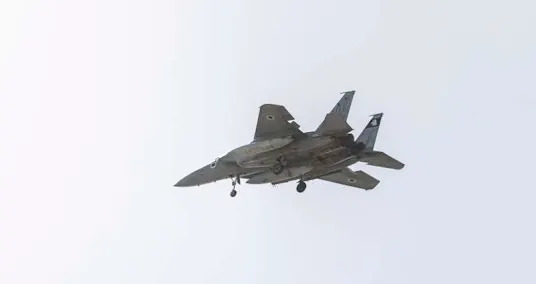
The body has also downgraded forecasts for many of the world's biggest economies due to the US-Israel war with Iran.
A prolonged conflict could trigger "significant energy shortages" globally, it warned, while if the sharp rise in fertiliser prices is sustained crop yields will be impacted and food prices will soar next year.
The OECD's new forecast for UK inflation is up from the rate of 2.5% it had predicted at its previous report in December.
It then forecasts inflation to drop to 2.6% in 2027 - still up from its previous projection of 2.1%.
Economic growth is now forecast to be 0.7% in the UK this year, down from 1.2% it had previously expected. Its forecast for 2027 is unchanged.
In early March the government's official forecaster, the Office for Budget Responsibility (OBR), cut its expected growth rate for 2026 to 1.1% from the 1.4% it predicted in last year's Budget.
But this forecast was made before the Iran war, which the OBR said could have a "very significant" impact on economies.
Among G7 countries, only the US is predicted to have higher inflation than the UK in the OECD's forecast, while only Italy is expected to see weaker growth.
Global growth is expected to fall to 2.9% this year before nudging up to 3% in 2027. And inflation across the G20 countries is predicted to be 4%, up from previously expected, dropping back to 2.7% next year.
The OECD said its predictions depend on the assumption that the current energy market disruption eases, with oil, gas and fertiliser prices falling from summer onwards.
It said measures from governments to cushion households from the impact of higher energy prices "should be timely, well-targeted on households most in need and viable firms, preserve incentives to lower energy use and have clear expiry mechanisms".
Policies that improve domestic energy use and lower reliance on imported fossil fuels over the medium term were a priority, it added.
The forecast comes as UK clothing retailer Next warned it was likely to have to raise prices for customers if the Iran war persists.
It said overseas sales had been strong up to when the conflict in the Middle East broke out, and instability may continue to restrain growth in that region.
LATEST POSTS
- 1
 Figure out How to Improve Your Stream Voyage with Remarkable Trips and Exercises
 - 2When fake data is a good thing – how synthetic data trains AI to solve real problems
- 3What's going on with Katseye? The Manon Bannerman hiatus drama, explained.
- 4April’s full pink moon will rise in the night sky this week
- 5Find the Excellence of Old style Expressive dance: Encountering the Effortlessness and Polish of Dance





- Phenomenal Web-based MBA Stages for Proficient Headway
- Incredible Travel Objections for Craftsmanship Darlings to Visit
- We may have one thing in common with jellyfish, new research finds
- 8 Fundamental Stages: Novice's Manual for Secure Your Android with a VPN
- Air superiority and long-range strikes: what China's war games say about how it might assault Taiwan
- Kids may be more likely to get the new ‘Cicada’ variant of Covid-19, scientists say. Here’s what to know about BA.3.2
- We analyzed Philly street scenes and identified signs of gentrification using machine learning trained on longtime residents’ observations
- Explosions heard across Tehran after IDF announces wave of strikes on regime terror targets
- Novo and Lilly cut prices of weight-loss drugs in China